
Home / Capabilities / Medical Insert Molding & Overmolding
CAPABILITY
Medical Insert Molding & Overmolding
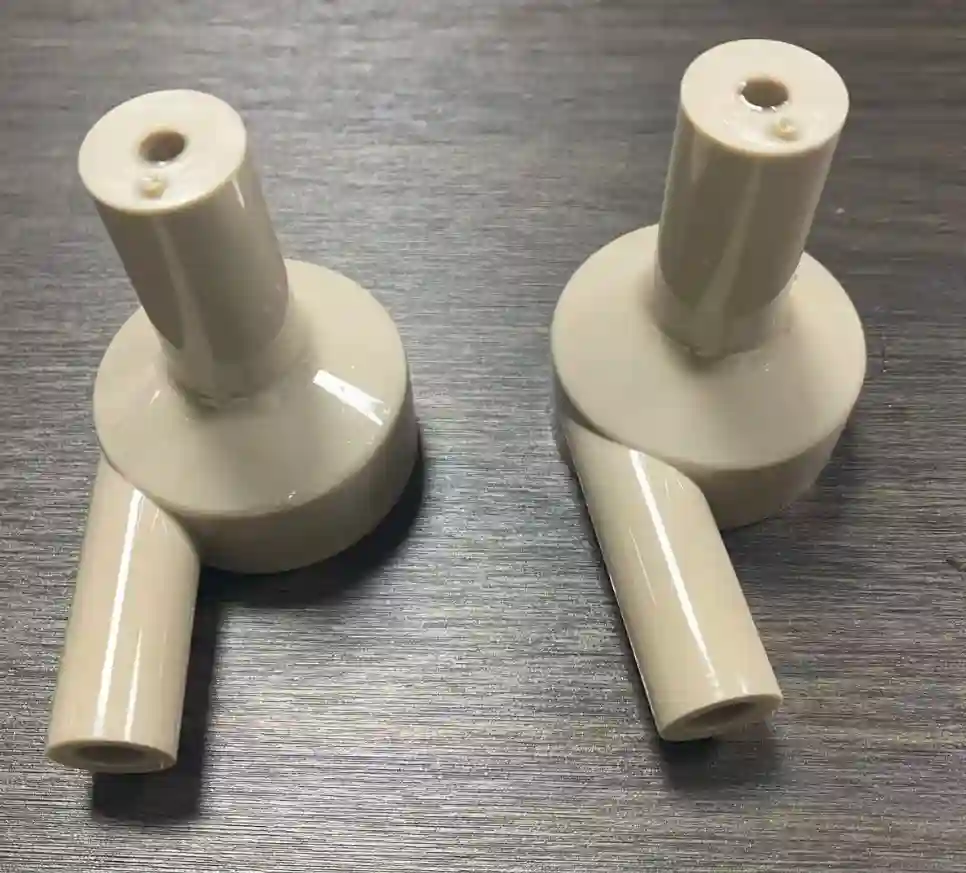
Insert molding places a metal or plastic insert into the mold before resin is injected; overmolding adds a second material or molded layer to a substrate. Both processes depend on insert location, retention, thermal behavior, shutoffs, venting, adhesion, and handling. MedMoldPro evaluates the insert, substrate, resin pair, loading method, quantity, and inspection method before confirming feasibility.
Suitable Projects
- Threaded metal inserts and functional contacts
- Plastic inserts requiring a molded structural body
- Rigid-plus-soft-touch components where the material pair is proven
- Parts that benefit from reducing separate assembly steps
Engineering Risks to Resolve
- Insert movement, damage, or contamination during loading
- Flash at shutoffs and around insert interfaces
- Bond failure caused by incompatible materials or surface condition
- Warpage or stress from different thermal behavior
How MedMoldPro Approaches the Work
The insert drawing, tolerances, coating, cleanliness, supply format, and orientation method are reviewed together with the overmold geometry.
Loading can be manual or assisted depending on the verified factory method and volume; automation is not promised unless included in the project evidence and quotation.
Expected Project Deliverables
- Insert and substrate feasibility review
- Tooling and retention concept
- Sample inspection plan for position and interface quality
- Defined responsibility for insert supply and incoming acceptance
Scope and Responsibility Boundary
Material compatibility data and sample adhesion do not replace device-level environmental, cleaning, sterilization, or life testing by the legal manufacturer.
Related Engineering Resources
Medical Insert Molding & Overmolding: Frequently Asked Questions
This can be considered when the insert specification, supplier controls, inspection, and commercial responsibility are defined.
Tool features, loading checks, sensing where available, and dimensional inspection are selected for the project.
No. Resin chemistry, additives, surface condition, melt temperature, geometry, and aging all affect adhesion.
It may support a seal design, but seal performance must be validated in the final assembly and use environment.
Technical review: Jerry Zou | Last updated: August 28, 2026
Manufacturing statements are limited to available capability information. Regulatory references are informational and do not replace the legal manufacturer’s qualified review.
Discuss the Drawing, Material, Volume, and Documentation Scope
Send the controlled files and project requirements needed for an engineering review and quotation.