
Home / Applications / Laboratory Instrument Plastic Components
APPLICATION
Laboratory Instrument Plastic Components
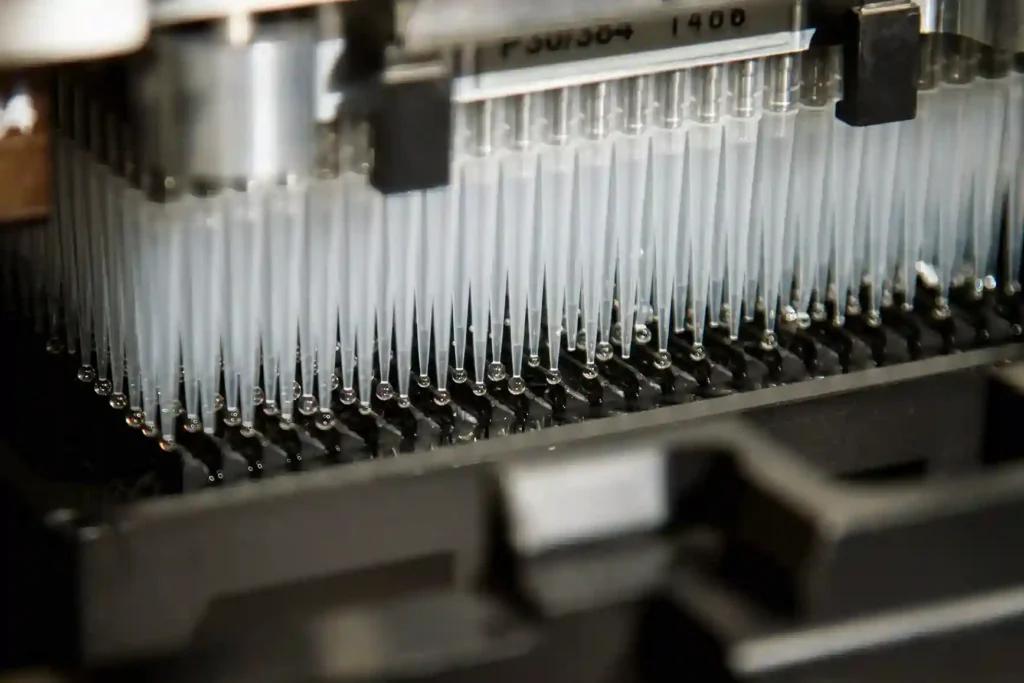
Laboratory and analytical instruments use molded plastics for fluid management, sample handling, covers, mounts, holders, manifolds, and internal structural components. The right material and mold design depend on reagent exposure, cleaning agents, temperature, optical needs, dimensional stability, and assembly load. MedMoldPro supports non-implant components where these requirements can be translated into controlled drawings and measurable acceptance criteria.
Suitable Projects
- Analytical instrument internal components
- Sample handling and fluid-adjacent plastic parts
- Chemical-resistant holders, bodies, and covers
- PEEK, PFA, PPS, PC, and other specified polymers
Engineering Risks to Resolve
- Chemical stress cracking and swelling
- Dimensional change with temperature or moisture
- Small passages, threads, and sealing interfaces
- Material substitution that changes performance
How MedMoldPro Approaches the Work
List chemicals, concentration, exposure time, temperature, cleaning method, loads, and required life before selecting the resin.
Supplier data supports screening, followed by molded-sample and final-assembly testing under the customer’s intended conditions.
Expected Project Deliverables
- Material and geometry review
- Tooling considerations for the selected grade
- Dimensional and visual inspection plan
- Material documentation when specified
Scope and Responsibility Boundary
Material supplier data and molded-part checks do not replace the customer’s final chemical, thermal, functional, or regulatory validation.
Laboratory Instrument Plastic Components: Frequently Asked Questions
Identify the chemical, concentration, exposure duration, temperature, stress state, cleaning cycle, and pass/fail method.
No. Performance, processing, cost, geometry, and the real exposure profile determine whether PEEK is justified.
A thread can provide retention, but seal performance depends on the sealing geometry, mating component, material, torque, and testing.
The exact manufacturer and grade should be approved, and any proposed change should follow the project’s change-control requirements.
Technical review: Jerry Zou | Last updated: August 28, 2026
Manufacturing statements are limited to available capability information. Regulatory references are informational and do not replace the legal manufacturer’s qualified review.
Discuss the Drawing, Material, Volume, and Documentation Scope
Send the controlled files and project requirements needed for an engineering review and quotation.