
Home / Capabilities / Medical Plastic Injection Molding
CAPABILITY
Medical Plastic Injection Molding
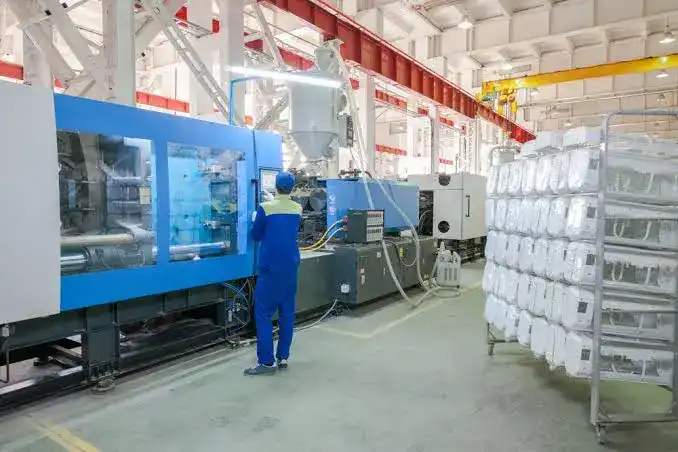
Medical plastic injection molding converts a qualified tool and specified resin into repeatable components for medical, diagnostic, and laboratory equipment. MedMoldPro reviews each program against geometry, resin grade, machine requirements, expected volume, inspection plan, and documentation scope. Production does not begin from a generic “medical-grade” assumption; the approved drawing, material designation, and acceptance criteria control the work.
Suitable Projects
- New tools that will move into recurring molding
- Customer-owned molds that pass incoming inspection
- Low, medium, or higher-volume non-implant plastic components
- Programs needing lot-linked material and inspection records when specified
Engineering Risks to Resolve
- Stable filling and packing across the cavity layout
- Managing shrinkage, warpage, flash, and cosmetic limits
- Matching machine shot size and clamp requirements to the tool
- Holding the approved process while controlling resin and lot changes
How MedMoldPro Approaches the Work
The team reviews the mold, part, resin, annual demand, cycle assumptions, and downstream assembly requirements before confirming the molding route.
Process settings and inspection frequency are defined for the project. Any requested certificates or lot records are listed in the quotation or quality agreement.
Expected Project Deliverables
- Molding feasibility review
- Sample submission and dimensional results as quoted
- Approved resin and color identification
- Production and inspection records at the agreed level
Scope and Responsibility Boundary
Final device validation, biocompatibility, sterilization compatibility, and regulatory approval remain with the legal medical device manufacturer. MedMoldPro does not describe a resin or finished part as compliant without supporting grade-specific evidence.
Medical Plastic Injection Molding: Frequently Asked Questions
Yes, subject to grade availability, processing feasibility, and approval of the exact manufacturer and grade.
Part mass, resin cost, cycle time, cavity count, machine size, inspection effort, scrap risk, packaging, and annual volume all contribute.
Yes. An incoming tool review should cover condition, dimensions, interfaces, cooling, ejection, ownership, and machine compatibility.
The required traceability level must be agreed before production. Material lot and production batch records can be provided when included in the project scope.
Technical review: Jerry Zou | Last updated: August 28, 2026
Manufacturing statements are limited to available capability information. Regulatory references are informational and do not replace the legal manufacturer’s qualified review.
Discuss the Drawing, Material, Volume, and Documentation Scope
Send the controlled files and project requirements needed for an engineering review and quotation.